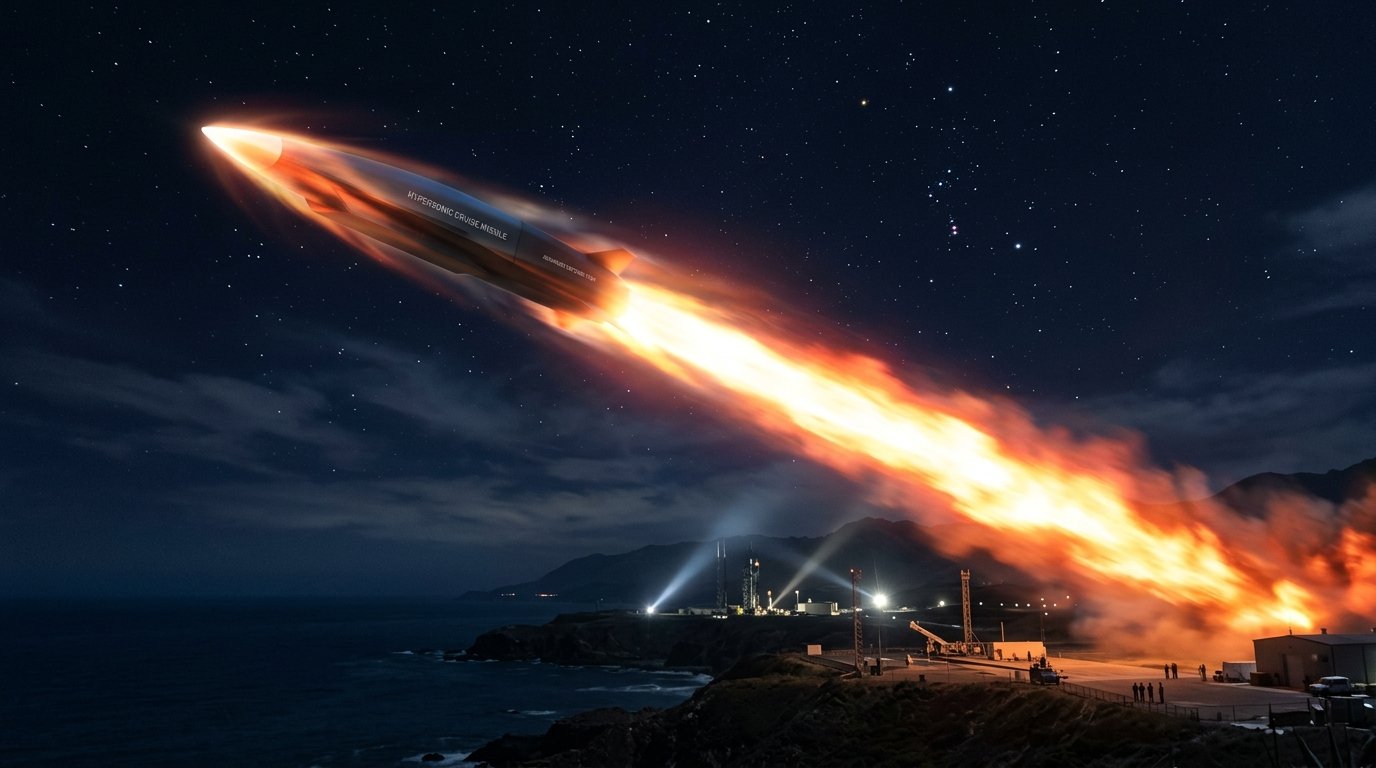
Taiwan broke ground Monday on an aerospace and drone industrial park in the southern county of Chiayi, where the island’s main military research institute wants to build a drone supply chain free of Chinese parts.
President Lai Ching-te led the Sept. 28 ceremony, which also opened a new Minxiong campus for the National Chung-Shan Institute of Science and Technology, known as NCSIST, the state-run institute that develops most of Taiwan’s homegrown missiles and military drones. The institute did not say at the ceremony how much the new park will cost, how many companies have signed up or when it will open.
The Minxiong campus took three years to build. It includes a research building, hangars, laboratories and facilities for integration testing, and NCSIST says engineers there can work on every stage of a drone’s development, from designing the airframe to building the propulsion and flight-control systems and testing the finished aircraft. The campus also uses digital twin technology, which creates a virtual copy of an aircraft that can be tested in simulation before a real one flies, along with artificial intelligence and virtual reality tools.
The industrial park going up next door is meant to bring manufacturers, government agencies, universities and researchers together around shared computing power and digital engineering tools. NCSIST describes the goal as a “non-red supply chain,” the term Taiwan uses for components and systems that do not come from China. Chiayi County Magistrate Weng Chang-liang said in August that the park is planned to hold about 100 companies.
Taiwan’s push for its own drones picked up after Russia’s full-scale invasion of Ukraine in 2022, where both sides used drones on a massive scale and Ukraine initially relied heavily on Chinese-made DJI models. Concerns that Chinese drones and parts could be tracked or cut off have pushed Taiwan to require that drones bought by public agencies come from non-Chinese supply chains.
The new park builds on the Asia UAV AI Innovation Application R&D Center, which opened in August 2022 in Puzi City, also in Chiayi County, on a site that had sat empty for years. The center now hosts more than 50 drone companies and institutions, and Weng said in August that demand has outgrown its space, with another 40 to 50 firms waiting to move in.
The industry has grown quickly. Taiwan’s drone output reached NT$12.9 billion ($407 million) in 2025, about 2.5 times the 2024 figure, and exports totaled NT$2.95 billion ($93 million), according to the Ministry of Economic Affairs. In October 2025, the Executive Yuan, Taiwan’s cabinet, launched a six-year, NT$44.2 billion ($1.39 billion) program to develop the uncrewed vehicle industry, with a goal of pushing annual drone output above NT$40 billion ($1.26 billion) by 2030.
That spending has faced political resistance. In July, the Ministry of Economic Affairs warned that cuts proposed by the opposition Kuomintang, which controls the legislature, would hurt the industry. Weng has also pressed lawmakers to approve more than NT$40 billion ($1.26 billion) in drone-related procurement funding.
Taiwan’s drone strategy relies on three tiers: buying larger military drones from the United States, having NCSIST develop mid-size military drones, and buying small dual-use drones from Taiwan’s private sector. The Minxiong site is designed to link the institute’s military work with those private companies.
If you wish to report a grammatical or factual error in this article, please let us know by using the
online form.
Independent reporting takes resources. Join us on Patreon.
Taiwan builds drone industry park to shed Chinese supply chain
Taiwan broke ground Monday on an aerospace and drone industrial park in the southern county of Chiayi, where the island’s main military research institute wants to build a drone supply chain free of Chinese parts. President Lai Ching-te le...
News Source & Verification
Defence Blog Aviation
Source Date: 28 September 2026 – 11:20
Published: 28 September 2026 – 11:20
Savunma360 Editorial Note & Strategic Assessment
This report is synthesized using open-source defense intelligence (OSINT), official inventory telemetry, and technical evaluations by independent defense analysts.
Doğrulanmış Savunma Verisi
Orijinal Kaynak Bağlantısını İncele