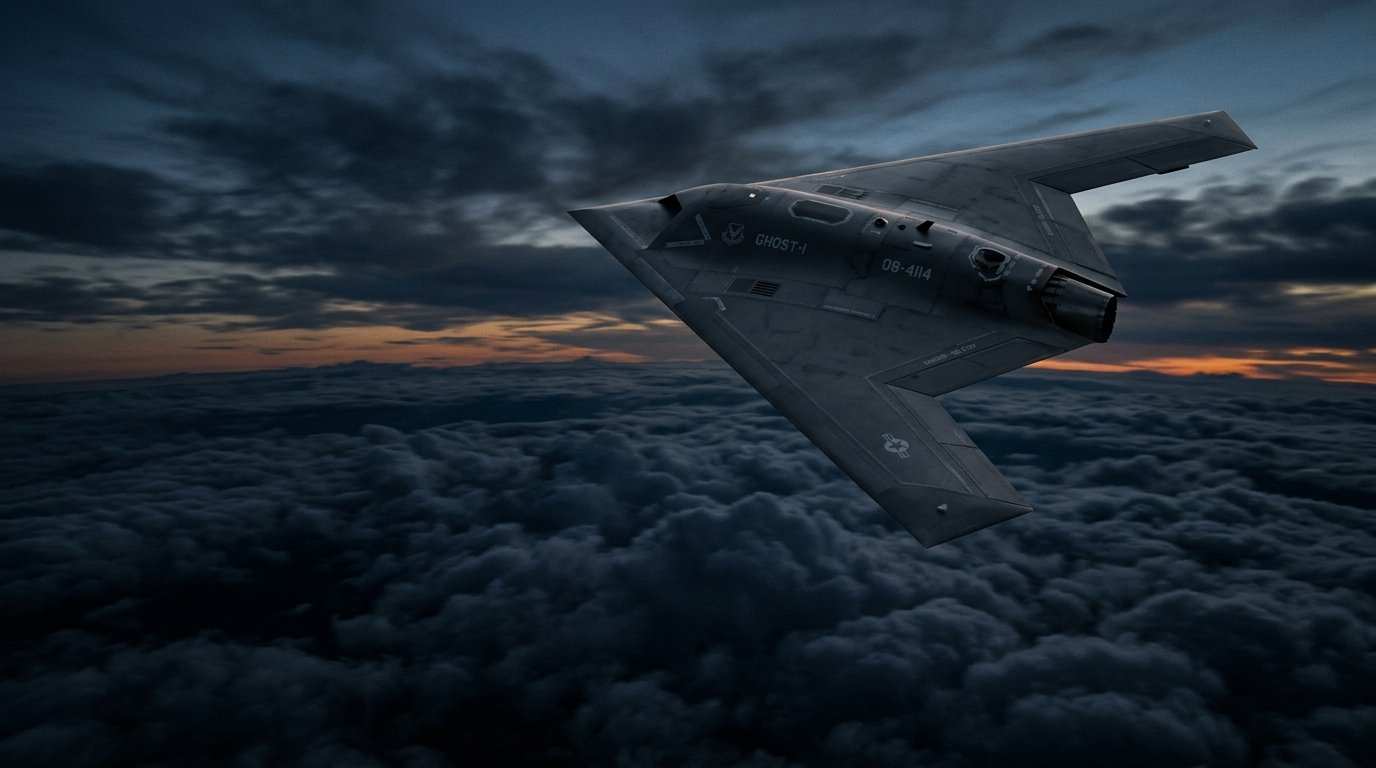
Before an F-35 fighter jet can land at a new base and start flying real missions, someone has to build the entire support system around it first: spare parts stocked on shelves, specialized tools laid out, technicians trained, and computer systems wired into the global network that keeps the jet running. That unglamorous but essential groundwork is what the U.S. Navy just paid Lockheed Martin another $871.2 million to keep doing.
The money comes as a modification to an existing contract with Naval Air Systems Command, and it doesn’t buy any new jets. Instead, it increases how much support equipment Lockheed can supply as the Pentagon and its allies keep opening new places for the F-35 to operate, whether that’s a land base in a partner country or a fresh set of jets joining a Navy carrier air wing. The work will happen mostly at Lockheed’s facility in El Segundo, California, with a smaller share in Fort Worth, Texas, and it’s expected to run through February 2031.
The Navy structured this as a ceiling increase, meaning the money becomes available only as specific orders get placed over time, not as a lump sum handed over today. It’s a bit like raising the limit on a corporate credit card rather than writing a check. The Navy also didn’t put this work out for competitive bidding, and there’s a straightforward reason why: Lockheed built the F-35, owns the technical blueprints, and is really the only company that knows how to properly stand up a new operating site for it. That’s standard practice for this particular slice of the program.
To understand why this kind of contract keeps coming up, it helps to picture what “opening a new F-35 base” actually involves. It’s not like adding a new gate at an airport. Every location needs its own stockpile of spare parts, ground equipment built specifically for the jet, maintenance tools, and IT systems that plug into the F-35’s worldwide logistics network. Skip any of that, and a squadron of brand-new stealth fighters could end up sitting on the tarmac with nowhere to get serviced. This contract exists to make sure that never happens, whether the new site belongs to the U.S. Air Force, the Marine Corps, the Navy, or one of the many other countries that now fly the jet.
Lockheed said back in January 2026 that the worldwide F-35 fleet had grown to roughly 1,300 aircraft spread across a dozen nations, and by March that number had climbed past 1,325 built. New jets keep rolling off the line, new squadrons keep forming, and each one needs its own version of the setup work this contract funds. That’s really the whole story behind why the Pentagon keeps writing checks like this one: it’s not glamorous, but it’s the plumbing that makes a global fighter jet fleet actually function day to day.
This particular award builds directly on a much larger one. Back in June 2026, the Navy handed Lockheed a $2.29 billion contract covering the same broad category of work, site activation, temporary contractor support while a base gets fully staffed, fleet management, and ongoing reliability improvements. That contract runs through the end of 2028, and this week’s $871 million modification essentially tops up the amount of support equipment available under it. Think of the original deal as the overall budget for opening new F-35 locations everywhere over the next couple of years, and this modification as extra headroom within that budget specifically for hardware.
What’s still unclear, at least from the public paperwork, is exactly which bases or countries this new money is earmarked for. The Navy hasn’t said whether it’s tied to a specific ally bringing its F-35s online, a new U.S. squadron standing up, or simply general capacity to handle whatever comes next as the program keeps growing. Given how quickly the F-35 fleet has expanded over the past year, though, it’s a safe bet this won’t be the last contract of its kind.
Independent reporting takes resources. Join us on Patreon.
Lockheed's F-35 support deal grows by $871 million
Before an F-35 fighter jet can land at a new base and start flying real missions, someone has to build the entire support system around it first: spare parts stocked on shelves, specialized tools laid out, technicians trained, and computer ...
Haber Kaynağı & Doğrulama
Defence Blog Aviation
Kaynak Tarihi: 19 September 2026 – 14:24
Yayın Tarihi: 19 September 2026 – 14:24
Savunma360 Editoryal Notu & Stratejik Değerlendirme
Bu analiz, açık kaynaklı askeri istihbarat (OSINT), Savunma Sanayii Başkanlığı resmi envanter verileri ve bağımsız savunma analistlerimizin teknik değerlendirmeleri sentezlenerek hazırlanmıştır. Gelişmeler Türk Silahlı Kuvvetleri ve bölgesel kuvvet dengesi açısından yakından izlenmektedir.
Doğrulanmış Savunma Verisi
Orijinal Kaynak Bağlantısını İncele