CHRISTCHURCH, New Zealand — Army officials from 25 different Indo-Pacific nations recently met in New Zealand to hammer out cooperative defense strategies. Simultaneously, the top political leaders in the United States were sending conflicting messages about its partnerships in the region.
The 50th Indo-Pacific Armies Management Seminar (IPAMS) was held in Auckland in late September, and it emphasized “practical cooperation, interoperability and regional partnerships.”
This year’s IPAMS theme was that “the sum is greater than the parts: security and deterrence in the Indo-Pacific.”
“Across this region, land forces are the backbone of deterrence, security cooperation and the connective tissue that binds nations together,” said Lt. Gen. Joel Vowell, deputy commander of U.S. Army Pacific.
“When our armies train, communicate and plan collectively, we generate a deterrence effect that is far stronger than any individual nation could achieve alone,” he added.
Brig. Hamish Gibbons, New Zealand’s deputy Chief of Army, struck a similar chord, saying collective strength comes from trusted relationships, and a shared commitment to the security of the Indo-Pacific region.
That region covers more than half the Earth’s surface and comprises 40 nations, including China.

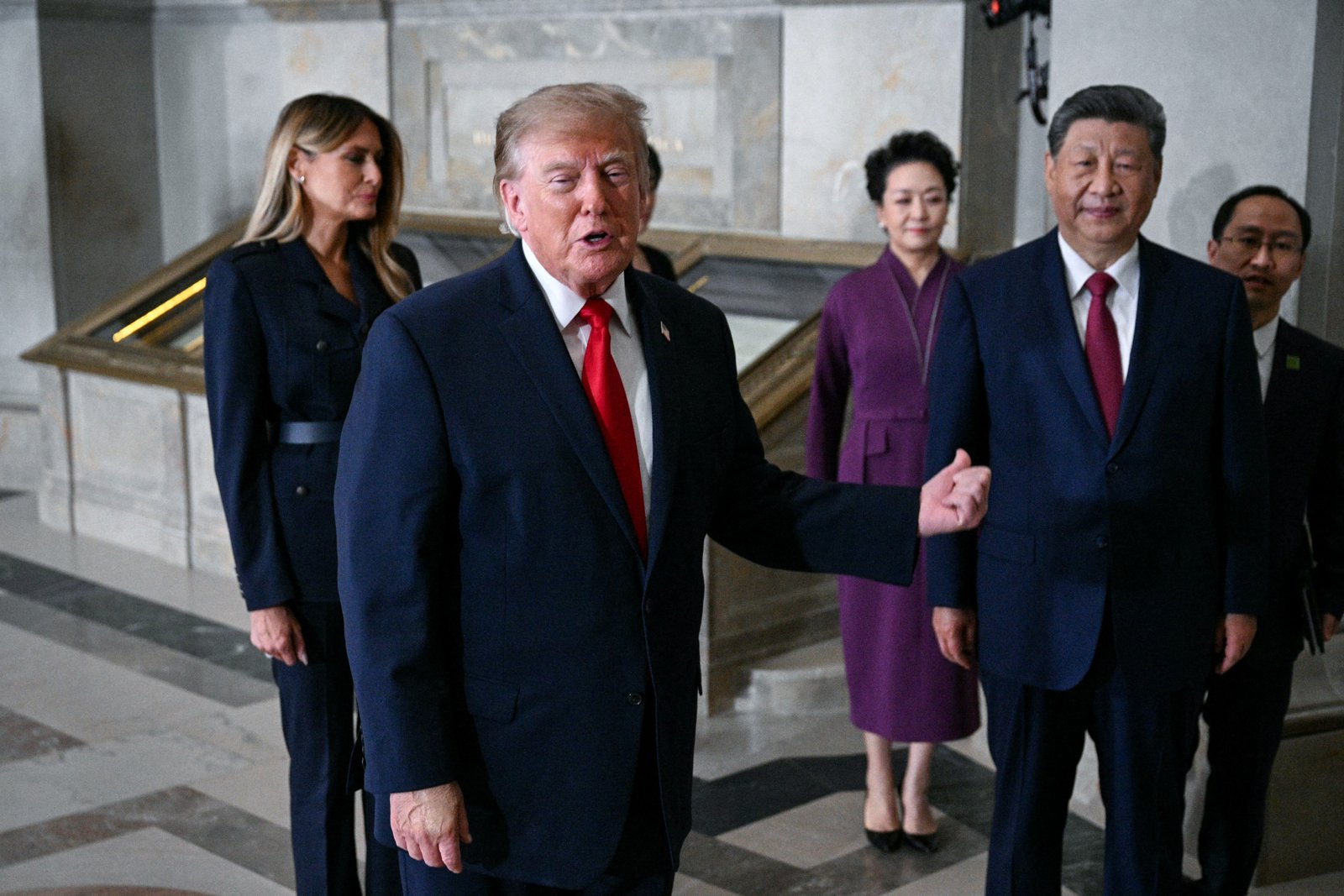
At exactly the same time as IPAMS was being held, President Donald Trump was welcoming Chinese Chairman Xi Jinping onto American turf.
Afterwards, David Perdue, the U.S. Ambassador to China, relayed one head-scratching moment when he revealed Trump had offered to sell military weapons to Beijing. Officials in Washington have since said there are no actual plans in the works to that end.
Ryan Hass of the U.S.-based Brookings Institution said the offer amounted to a break with longstanding Washington policy.
“If there was any ambiguity about whether President Trump views China as a security threat, this disclosure by Perdue puts the question to rest,” Hass wrote on X, formerly Twitter. “Trump’s offer to sell weapons to China will be unsettling to American partners at the pointy edge of China’s spear.”
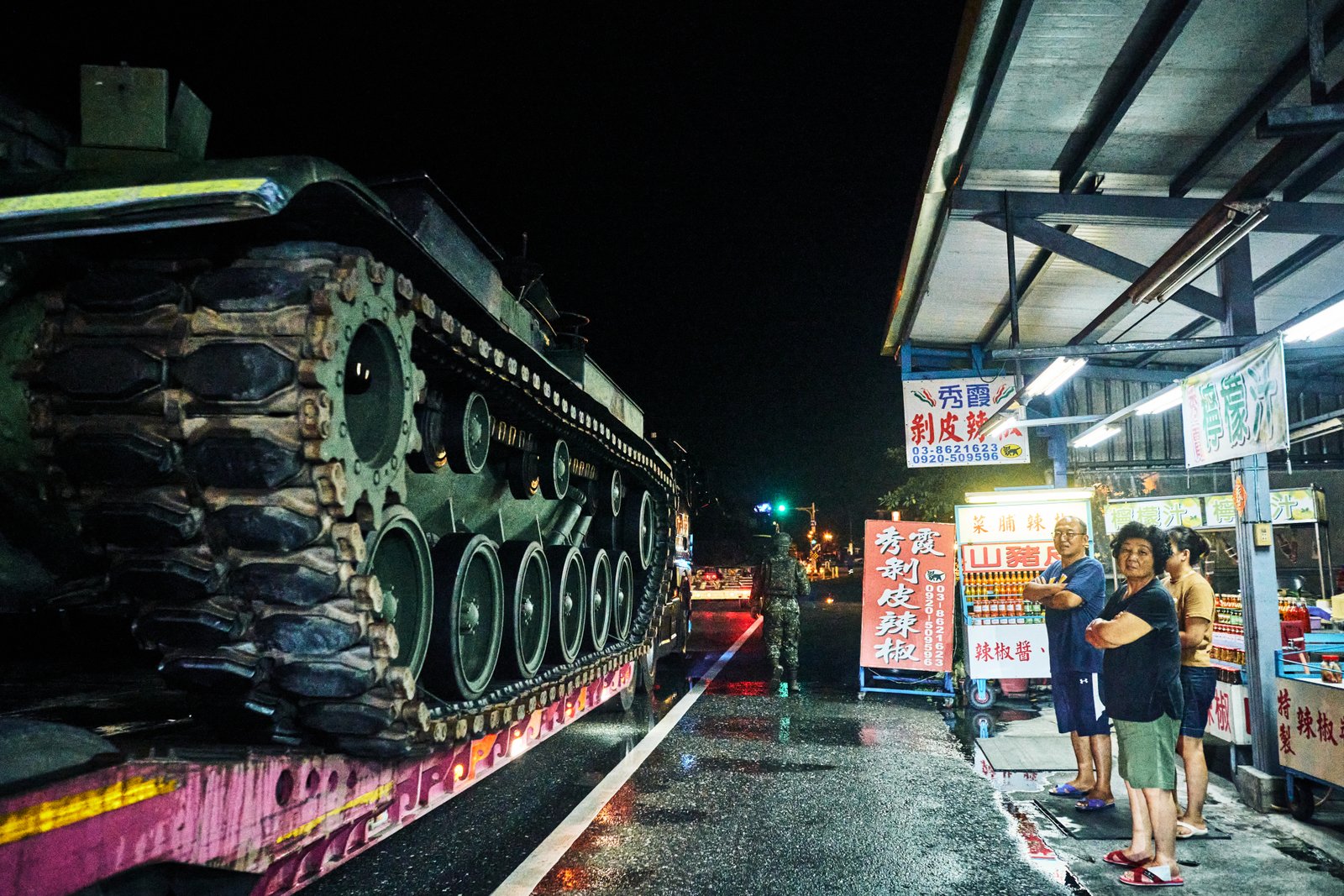
Unease was already fermenting as Trump withholds large arms sales packages to Taiwan.
In an open letter published on Sep. 22, Rupert Hammond-Chambers, President of the U.S.-Taiwan Business Council, warned of the damage being caused by Trump’s arms freeze on Taiwan.
“The Trump administration has let the fox in the henhouse,” Hammond-Chambers wrote. “Telegraphing sensitivity to the Chinese position on Taiwan this past spring, Trump has empowered China to affect his decisions.”
He said the notion that appeasing China will result in a quid pro quo concession is false, since the Chinese Communist Party outright rejects any responsibility to change its own aggressive behavior.
Some analysts chalked up the cozy Trump-Xi interactions as an expression of the U.S. president’s penchant for pomp.
“Trump may say things off the cuff that make Taipei (and U.S. allies) uncomfortable, but that will not change the long-term trajectory and trend of U.S. security commitments to Taiwan,” Drew Thompson of the S. Rajaratnam School of International Studies in Singapore wrote.
The arms-sales comments, he said, would not affect cross-strait relations, as they are not progressing towards Beijing’s primary objective of peaceful unification.