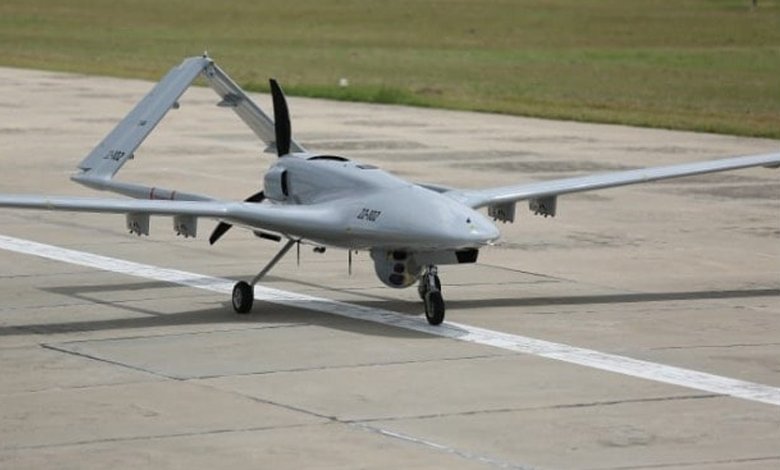
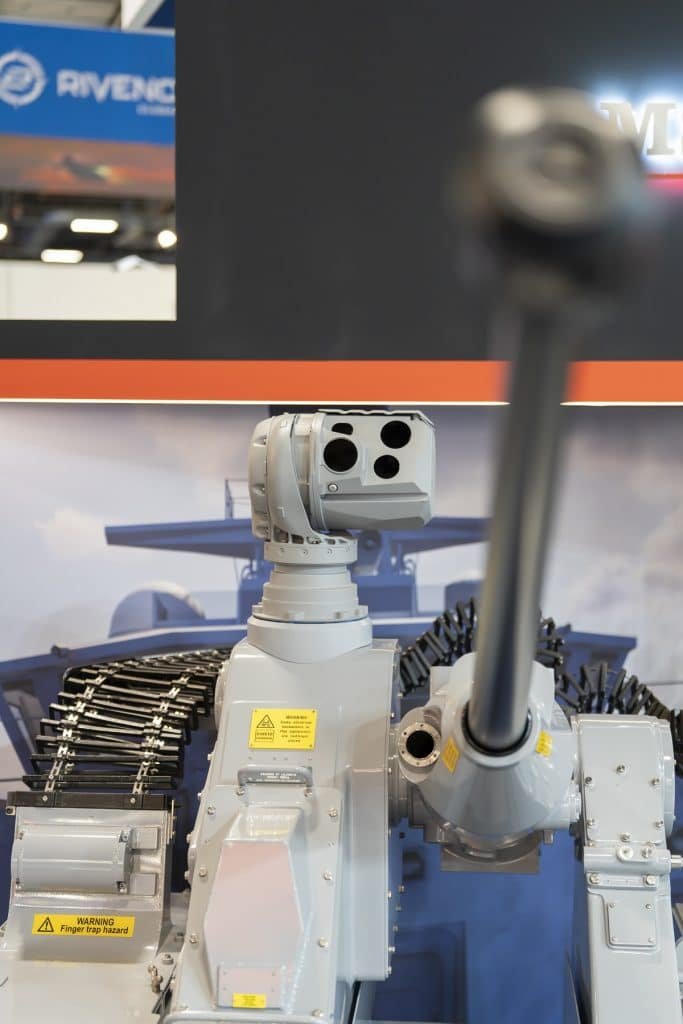
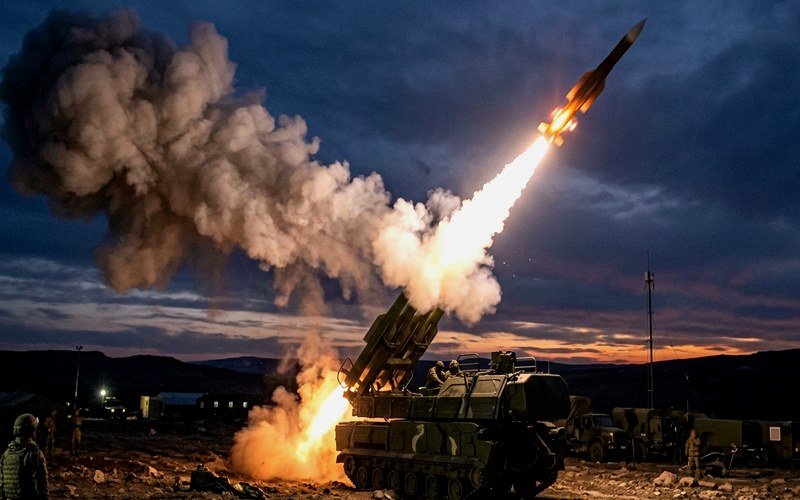
Belgium has brought back the 51st Squadron, an air defense unit that guarded NATO airspace with Nike Hercules missiles during the Cold War, after 37 years without it. Defense Minister Theo Francken said that the Belgian Air Force reactivated the squadron on November 9 at a ceremony at the Royal Military Academy in Brussels, and that the unit will once again be responsible for the country's ground-based air defense. The squadron will operate the new systems Belgium is buying under its "Blue Dome" plan: 10 NASAMS missile systems, 20 Skyranger 30 anti-aircraft guns, 14 modern radars and 54 command vehicles, all linked into a single network. Francken said the Skyranger contract was being signed the same day. "Rebuilding an air defense, starting from zero, is no small task," Francken said. The 51st Squadron was formed in 1959 and equipped with Nike Hercules surface-to-air missiles to help protect NATO airspace against Soviet bombers. It was disbanded after the fall of the Berlin Wall in 1989, and the rest of Belgium's ground-based air defense was gradually phased out in the years that followed. Since then, Belgium has relied largely on its fighter jets to defend its airspace. The new systems are designed to work in layers. NASAMS, built by Norway's Kongsberg with Raytheon, fires missiles that Francken said can intercept cruise missiles, fighter jets and helicopters at ranges of up to 50 km (31 miles). Rheinmetall's Skyranger 30 is a turret with a radar-guided 30 mm
Belçika, 37 yılın ardından Soğuk Savaş hava savunma filosunu canlandırdı
Belçika, Soğuk Savaş sırasında Nike Hercules füzeleriyle NATO hava sahasını koruyan bir hava savunma birimi olan 51. Filoyu 37 yıl sonra geri getirdi. Savunma Bakanı Theo Francken, Belçika Hava Kuvvetleri'nin yeniden faaliyete geçtiğini söyledi...
~2 dk sesli analiz
Haber Kaynağı & Doğrulama
Defence Blog Aviation
Kaynak Tarihi: 09 November 2026 – 11:33
Yayın Tarihi: 09 November 2026 – 11:33
Savunma360 Editoryal Notu & Stratejik Değerlendirme
Bu analiz, açık kaynaklı askeri istihbarat (OSINT), Savunma Sanayii Başkanlığı resmi envanter verileri ve bağımsız savunma analistlerimizin teknik değerlendirmeleri sentezlenerek hazırlanmıştır. Gelişmeler Türk Silahlı Kuvvetleri ve bölgesel kuvvet dengesi açısından yakından izlenmektedir.
Doğrulanmış Savunma Verisi
Orijinal Kaynak Bağlantısını İncele
İNTERAKTİF MÜHENDİSLİK LABORATUVARI
KARŞILAŞTIRMA MOTORUNU AÇ
KAAN vs F-35A, Yeni ALTAY vs Leopard 2A8, KIZILELMA vs XQ-58A
6 eksenli taktik radar grafiği ve mühendislik matrisiyle askeri platformları kafa kafaya kıyaslayın.