Japan’s Defense Minister Shinjiro Koizumi said Tokyo will not rule out nuclear-powered submarines as it considers future defense capabilities, marking another step in Japan’s growing debate over whether to acquire SSNs.
Speaking at a press conference on September 11, Koizumi was asked about reports that a U.S. Navy official had expressed a positive view of Japan potentially acquiring nuclear-powered submarines. While declining to comment directly on individual media reports, Koizumi said the option would be considered as part of the government’s planned revision of Japan’s three key national security documents: the National Security Strategy, National Defense Strategy and Defense Buildup Program. The three documents are expected to be revised by year-end.
“As I have said before, in the course of revising the three documents, we will consider all options without ruling anything out,”
Japan’s Defense Minister Shinjiro Koizumi
“Of course, we will also proceed with our consideration without ruling out nuclear-powered submarines as an option.”
Koizumi stressed that no decision had been made and that the government was not working toward a predetermined conclusion.
Asked about the strategic advantages of nuclear-powered submarines and the challenges Japan would face if it decided to acquire them, Koizumi offered one of his most detailed public assessments of SSNs to date. Speaking in general terms, he said nuclear-powered submarines can remain submerged for long periods, conduct extended operations, and are said to be capable of speeds several times higher than those of conventionally powered submarines.
“These characteristics make it possible to conduct the required activities while ensuring a higher level of safety for the crew,” Koizumi said.
At the same time, he acknowledged significant disadvantages. He said nuclear-powered submarines are said to be less quiet underwater than conventionally powered submarines. He also cited the high cost of nuclear propulsion systems, the need for larger hulls, and the specialized technical expertise required to operate, maintain, and service nuclear propulsion plants.
“In an increasingly rapidly changing security environment across various fields, we will examine the measures necessary to improve deterrence and response capabilities without ruling out any options,” Koizumi said.
U.S. Navy Official Voices Support for Japan Considering SSNs
Koizumi’s remarks came two days after a U.S. Navy official reportedly expressed a positive view of Japan considering nuclear-powered submarines.
The unnamed U.S. Navy official spoke to Japanese, South Korean, and other Asia-Pacific journalists at Joint Base Pearl Harbor-Hickam in Hawaii on September 9.
According to Japanese media reports, when asked whether Japan should consider acquiring nuclear-powered submarines, the official responded positively, pointing out that Japan operates nuclear power plants and possesses relevant nuclear technology. The same official also drew attention in South Korea by saying Seoul needed a “valid reason” for acquiring nuclear-powered submarines and warning against pursuing them merely as a “status symbol.”
Japan currently operates only conventionally powered diesel-electric submarines, but the debate over nuclear propulsion has accelerated over the past year.
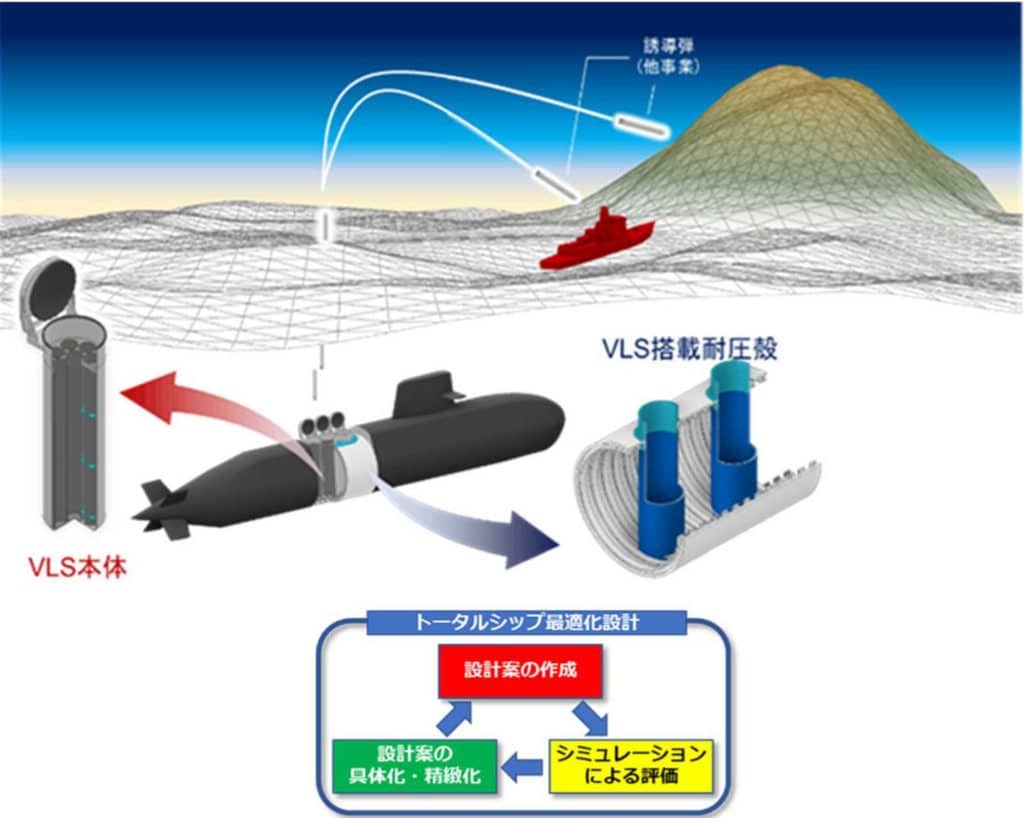
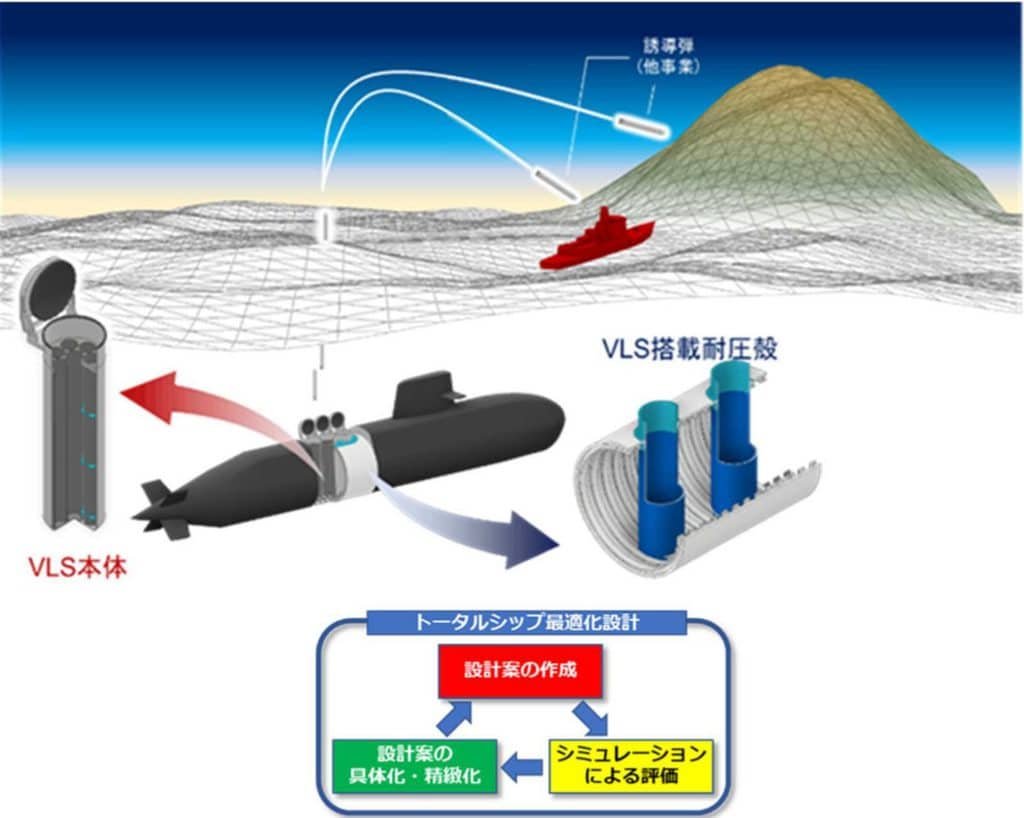
In September 2025, a Japanese Ministry of Defense expert panel recommended examining “next-generation propulsion systems” for future submarines equipped with vertical launch systems (VLS) capable of carrying long-range missiles. The panel emphasized the need for submarines capable of remaining submerged for long periods and operating over extended distances.
Koizumi himself pushed the debate further in November 2025, following U.S. President Donald Trump’s approval for South Korea to pursue nuclear-powered submarines.
“There are new developments, and all the countries around us are acquiring nuclear submarines,” Koizumi said at the time. He argued that Japan’s increasingly severe security environment required a fundamental debate over whether future submarines should continue using diesel-electric propulsion or move toward nuclear power.
Former Defense Minister Gen Nakatani went further later that month, saying Japan’s next-generation submarine would “eventually need nuclear propulsion.”
In January 2026, JMSDF Chief of Staff Adm. Akira Saito also acknowledged the operational advantages of SSNs, saying their long submerged endurance and high speed could provide a significant improvement in tactical capability.
Major obstacles remain, however. Nuclear-powered submarines would be far more expensive than Japan’s current conventional boats and would require an entirely new infrastructure for naval nuclear propulsion, including reactor maintenance, nuclear fuel management, and specialized personnel. There are also legal and political questions. Japan’s Atomic Energy Basic Act restricts the use of nuclear energy to peaceful purposes, raising longstanding questions about the compatibility of nuclear-powered warships with the existing legal framework.
Koizumi’s September 11 remarks do not mean Japan has decided to acquire SSNs. But his explicit statement that nuclear-powered submarines will not be excluded from consideration, combined with his detailed public assessment of their advantages and disadvantages, suggests that the issue is moving from a largely theoretical debate toward a concrete defense policy discussion.
The post Japan’s Defense Minister: Nuclear-Powered Submarines Will Not Be Ruled Out appeared first on Naval News.