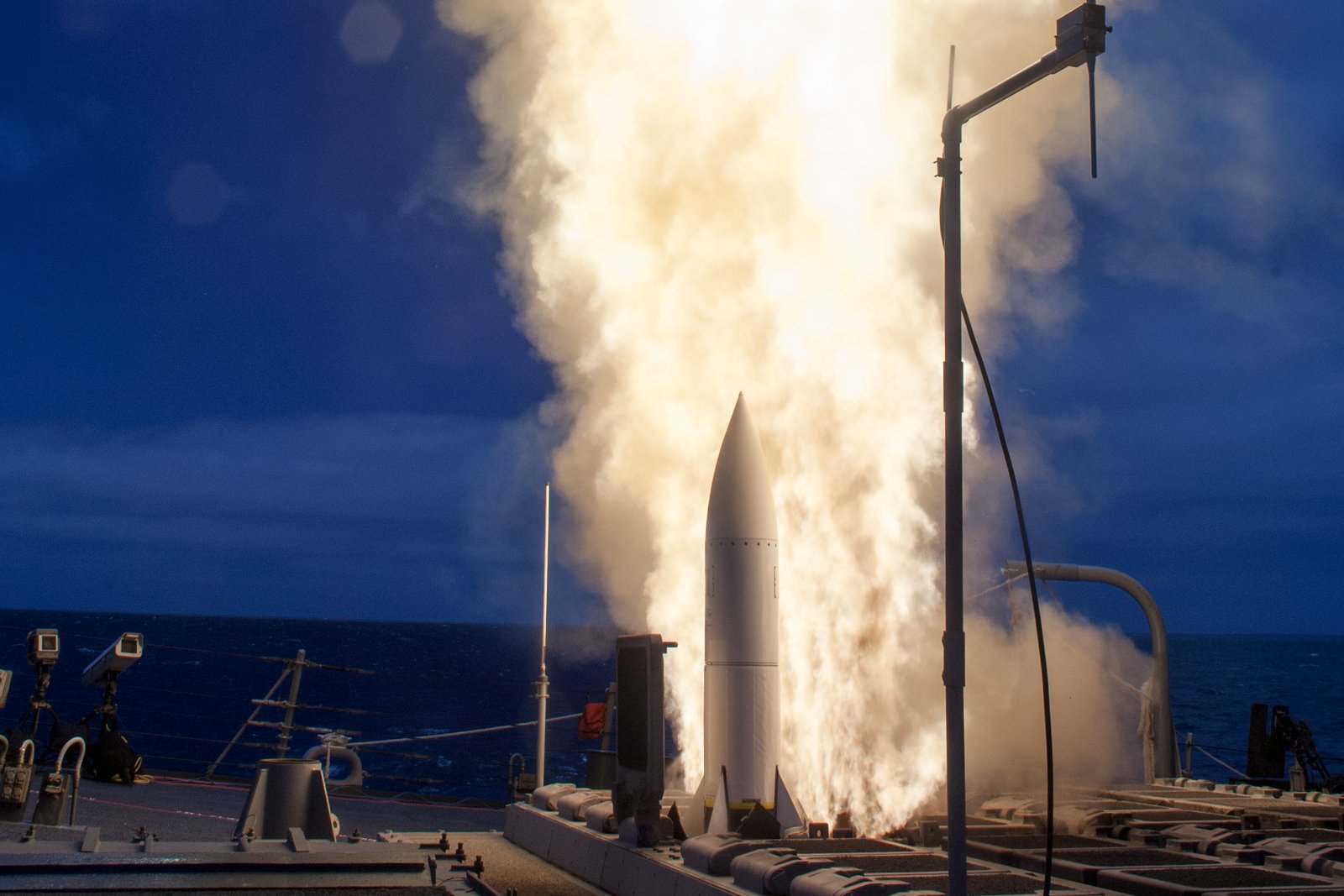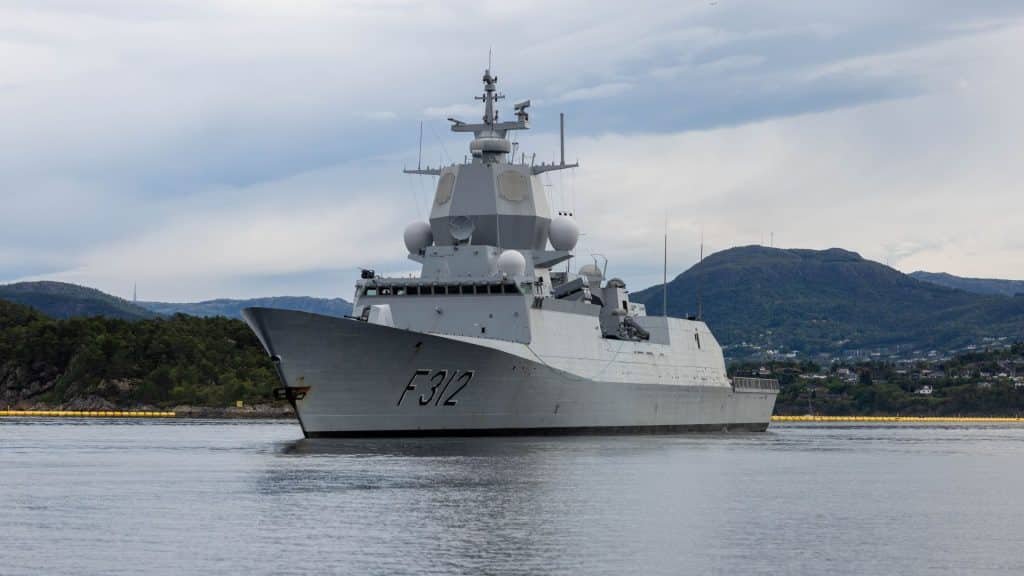
On October 1, 2026, The Norwegian Defence Materiel Agency (FMA) announced the successful completion of the first live firing of the Evolved SeaSparrow Missile (ESSM) Block 2 from the Fridtjof Nansen-class frigate KNM Otto Sverdrup.
Norwegian Defence Materiel Agency press release – Translated by Naval News
Project P6192—a defense acquisition and testing initiative managed by the FMA’s Maritime Capabilities division—successfully fired the upgraded surface-to-air missile last week off the coast of Andøya. The ESSM Block 2 replaces the older Block 1 variant previously used by the Royal Norwegian Navy.
The campaign included both simulated launches and live firings against target drones. Its primary objectives were to test new software within the Aegis combat system, ensure the missile’s new communication features and active guidance capabilities performed as required, and validate overall system performance.
Data collected from both the missile and the combat system has been sent to the United States for detailed analysis. Preliminary results indicate that the project is on track to deliver a vital new air-defense capability to the fleet.
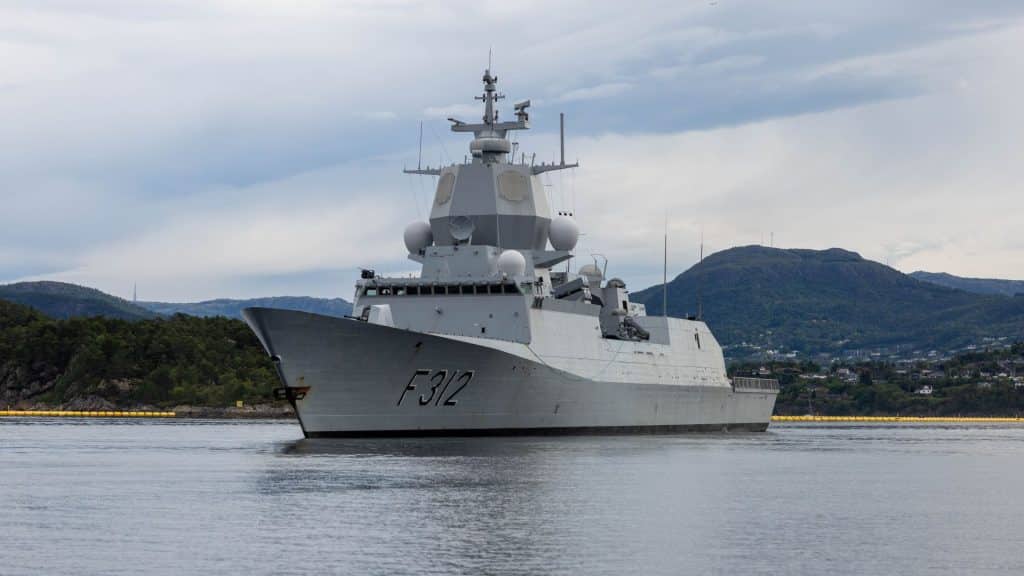
The test campaign was supported by a multinational team comprising personnel from the U.S. Navy, Andøya Space Defence (ASD), Lockheed Martin, the National Maritime Operations Centre (NSS N6), and the Royal Norwegian Navy Logistics Command (SFK). FMA Project Manager Commander Tor Harald Monsen directed the exercise from Range Control at ASD.
“This has been an excellent international collaboration, with professional execution by both the crew of KNM Otto Sverdrup and the test leadership at Range Control,”
Commander Tor Harald Monsen, Project Manage
Following this milestone, FMA Maritime Capabilities will collaborate with the Royal Norwegian Navy to finalize the installation, fleet integration, and operational certification of the ESSM Block 2 system.
– End –
About ESSM Block 2
The Evolved SeaSparrow Missile (ESSM) Block 2 represents a big generational upgrade in ship self-defense capabilities, designed to counter advanced anti-ship cruise missiles, tactical aircraft, and surface threats in contested environments.
Developed through the international NATO SeaSparrow Consortium and manufactured by RTX (Raytheon), the Block 2 variant builds upon the combat-proven foundation of the legacy Block 1 missile while introducing a critical technological leap: a dual-mode active and semi-active radar seeker.
While the Block 1 missile relies entirely on continuous-wave illumination from the launching ship’s fire-control radars throughout its flight, the Block 2 features an active radar homing seeker. This enables the missile to autonomously guide itself during the terminal phase of an interception. Consequently, combat systems such as the Aegis architecture can engage multiple complex targets simultaneously without being bottlenecked by the availability of shipboard illuminator radars. The operational range of the ESSM Block 2 is over 50 kilometers (27+ nautical miles), with a top speed exceeding Mach 4.
Despite its advanced internal electronics, the ESSM Block 2 retains the physical dimensions and mechanical interfaces of its predecessor. It remains fully compatible with existing Mark 41 Vertical Launching Systems (VLS), allowing warships to maintain their quad-pack configuration—fitting four missiles into a single launch cell—to maximize total missile capacity. As navies across the NATO alliance adopt the variant, the ESSM Block 2 serves as a vital cornerstone for enhanced fleet air defense and allied interoperability.
The post Norway’s Fridtjof Nansen-class Frigate Fires ESSM Block 2 for First Time appeared first on Naval News.