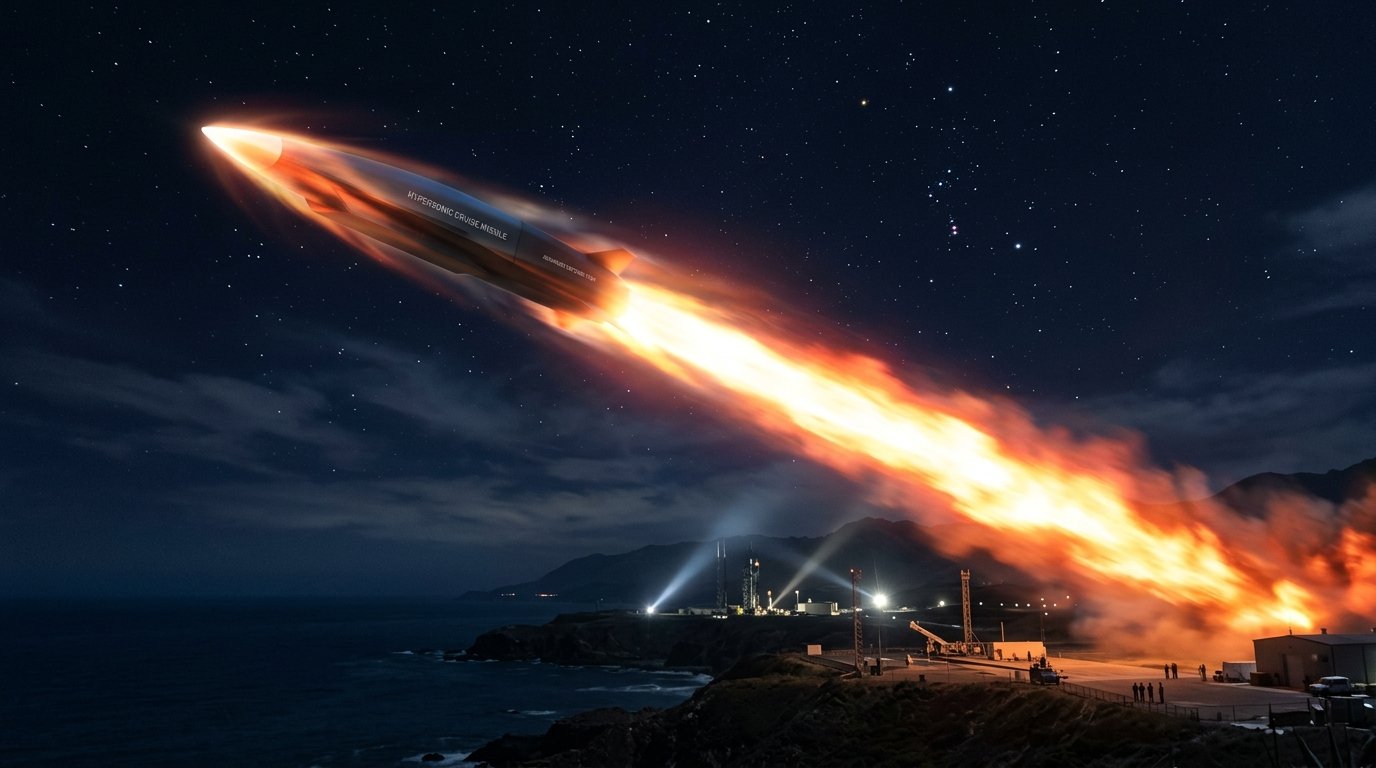
For years, Russia has bragged about a missile called the Zircon, calling it an unstoppable hypersonic weapon that flies too fast for any air defense system to catch. Ukrainian intelligence just said that’s not quite the full story.
Ukraine’s Defense Intelligence agency, known as HUR, published a detailed breakdown of the missile this week, saying the Zircon is actually a ballistic missile, not the hypersonic cruise missile Russian state media has described since the weapon first appeared. The distinction matters because the two types of missiles fly very differently and require different defenses to intercept.
“DIU exposes details of russia’s 3M22 Zircon ballistic missile, including its components, production chain, 70 companies involved, key personnel, and foreign equipment used to manufacture the weapon,” the agency wrote on X.
Even the pictures tell a different story than what’s been shown before. The images DIU released show a missile that looks noticeably different from the renderings that have circulated in media coverage for years, with a distinct nose section and a rear assembly built for steering the missile during flight.
DIU didn’t stop at just describing the missile. The agency published what amounts to a parts catalog, naming specific manufacturers behind individual components. Some of those parts trace back to VPK NPO Mashinostroyeniya, the Russian defense company that developed the Zircon program in the first place, while a countermeasure system was linked to another Russian defense firm called KNIRTI. DIU is also asking the public to send in any additional information they have about where the missile’s parts come from, hoping to fill in more of the supply chain picture over time.
This isn’t the first time analysts have questioned how the Zircon actually flies. Ukrainian outlet Defense Express had previously suggested the missile likely follows what’s called a quasi-ballistic path rather than sustained hypersonic cruising, a description that lines up more closely with DIU’s new “ballistic missile” label than with the hypersonic cruise missile story that’s dominated headlines.
Whatever you call it, Russia has been firing a lot more of them lately. Ukrainian intelligence estimated Russia had around 40 Zircon missiles in its stockpile back in 2024. That number has reportedly grown to roughly 230. For two years after the missile’s first confirmed use in a February 2024 strike on Kyiv, Russia only fired six of them total. This year alone, Russia has launched around 40, including 15 in July and eight during a single massive combined attack on Kyiv in early June.
The Zircon was originally designed to fire from the 3S14 vertical launch system used on Russian Navy frigates, including the Admiral Gorshkov, and has since been adapted for launch from land. Russia has increasingly fired the missile from the K300P Bastion coastal defense system, a mobile launcher originally built to fire the P-800 Oniks anti-ship missile at ships. Ukrainian forces have targeted Bastion launchers in occupied Crimea specifically to prevent Zircon strikes, including a March 2026 drone strike that destroyed one launcher and triggered an unintended missile launch during the attack.
Part of the reason Zircon strikes are relatively rare comes down to cost. Each missile runs about $5.6 million, according to Ukrainian outlet Militarnyi, citing Russian purchasing records, making it one of the most expensive conventional missiles Russia builds, cheaper only than its Oreshnik missile. Each Zircon carries a warhead weighing about 220 kilograms, or roughly 485 pounds, with about 80 kilograms, or 176 pounds, of that being actual explosives.
Independent reporting takes resources. Join us on Patreon.
Ukraine reveals new details on Russia's Zircon missile
For years, Russia has bragged about a missile called the Zircon, calling it an unstoppable hypersonic weapon that flies too fast for any air defense system to catch. Ukrainian intelligence just said that’s not quite the full story. Ukraine...
Haber Kaynağı & Doğrulama
Defence Blog Aviation
Kaynak Tarihi: 31 August 2026 – 11:14
Yayın Tarihi: 31 August 2026 – 11:14
Savunma360 Editoryal Notu & Stratejik Değerlendirme
Bu analiz, açık kaynaklı askeri istihbarat (OSINT), Savunma Sanayii Başkanlığı resmi envanter verileri ve bağımsız savunma analistlerimizin teknik değerlendirmeleri sentezlenerek hazırlanmıştır. Gelişmeler Türk Silahlı Kuvvetleri ve bölgesel kuvvet dengesi açısından yakından izlenmektedir.
Doğrulanmış Savunma Verisi
Orijinal Kaynak Bağlantısını İncele