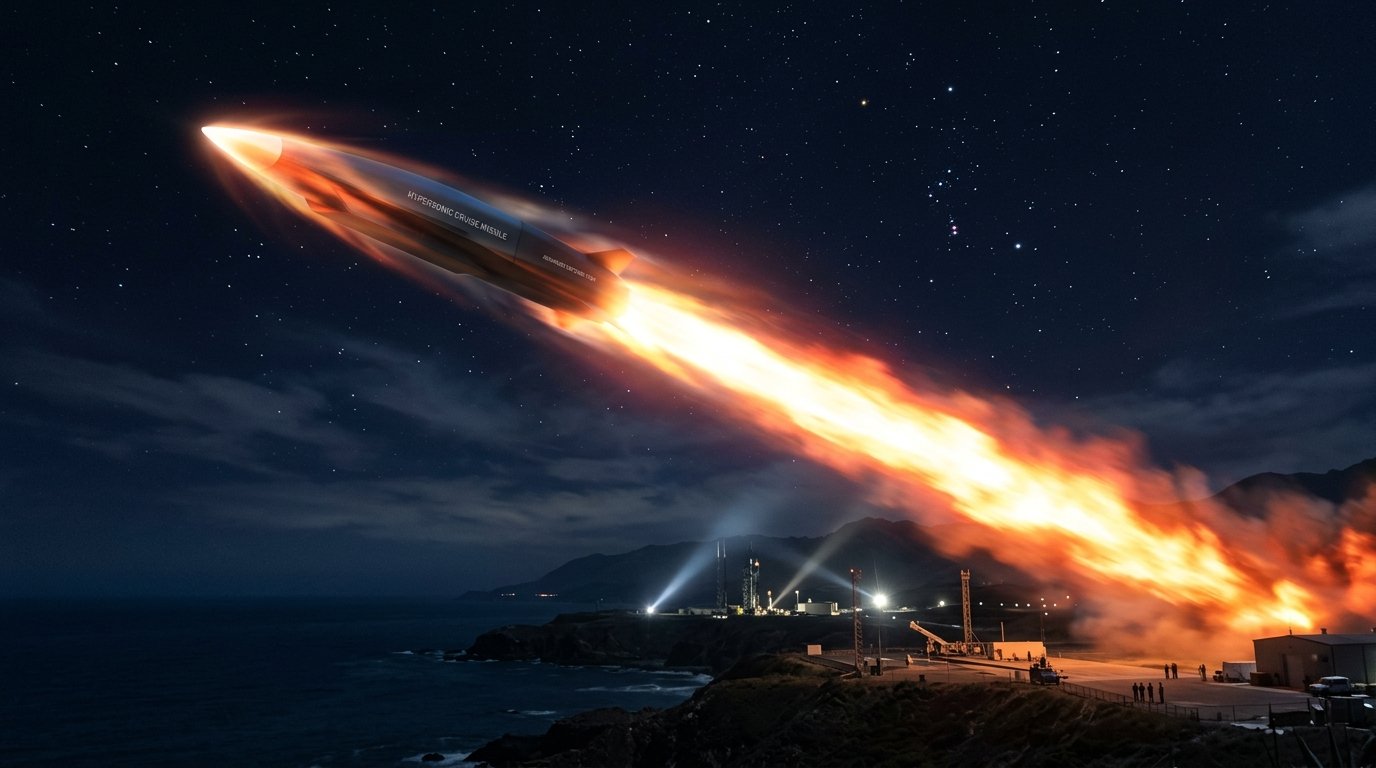
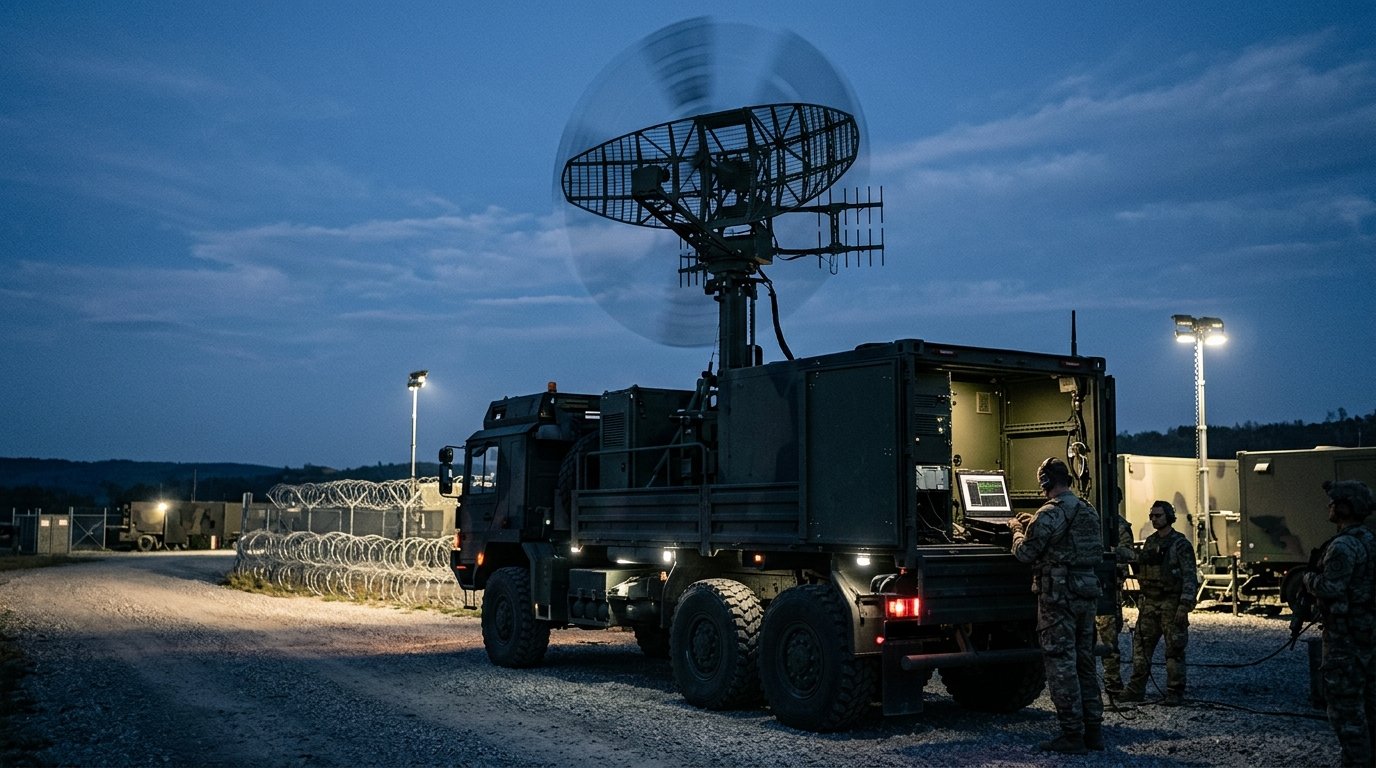
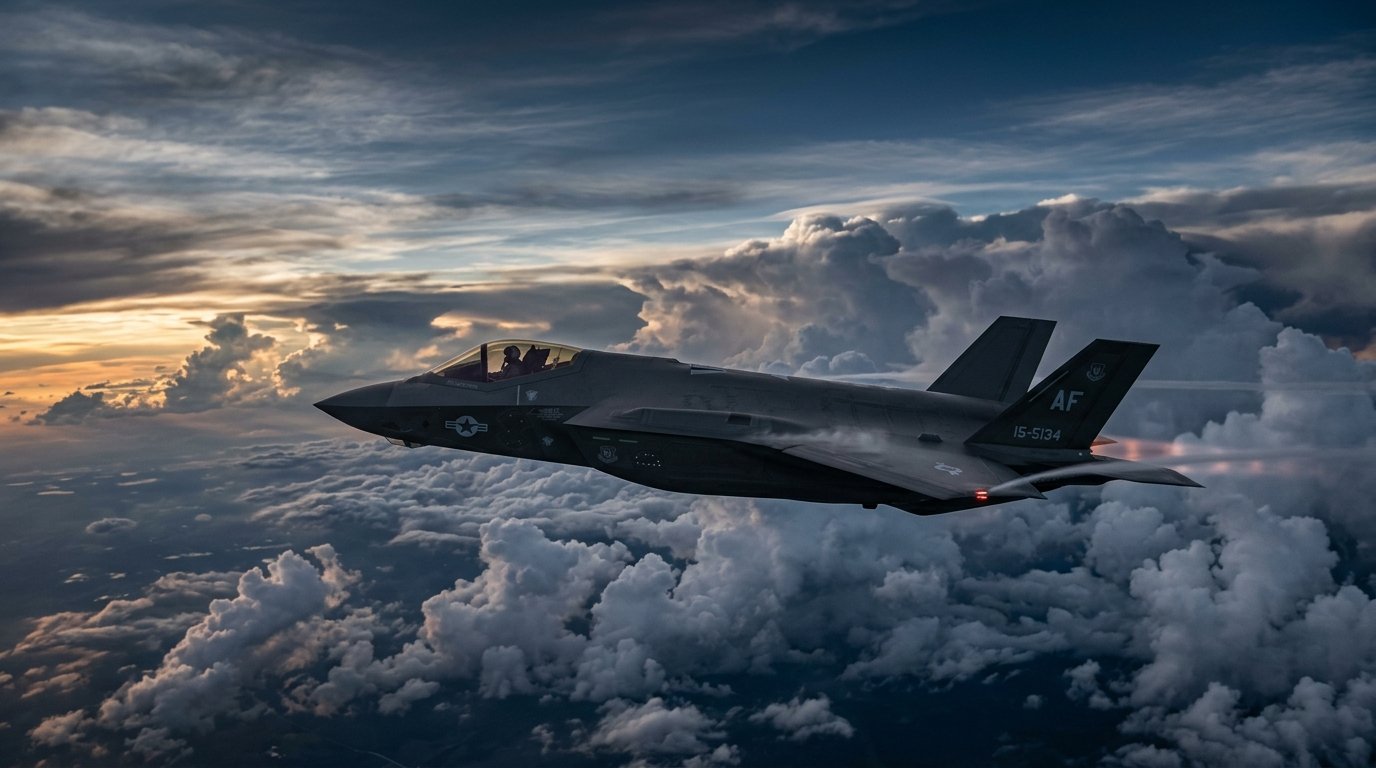
The United States and Israel are moving toward a new war with Iran within days, as President Donald Trump said Washington is no longer negotiating with Tehran and that “something” will happen “fairly soon,” while U.S. troops pull out of exposed bases across the Middle East and Israeli fighter jets rehearse a strike on Iran at the edge of its airspace. The troop withdrawals, embassy staff cuts and large-scale air activity over the region closely resemble the buildup that came just before the war began in late February, and they put the next round of fighting on a timeline measured in days rather than months, with the Nov. 3 U.S. midterm elections now less than two weeks away. “No, I think we’re not negotiating... we are going to have something, one way or the other. It’ll happen fairly soon,” said President Donald Trump on Oct. 21. The remarks mark a sharp turn from Trump’s pledge on Oct. 8 that the United States would not attack Iran before the midterms, and they come as Washington and Jerusalem finalize plans for what officials described to The New York Times as a short but intensive operation against Iran’s energy infrastructure, nuclear facilities and missile and drone arsenals. Options presented to Trump include strikes on tunnel entrances at nuclear sites such as Pickaxe Mountain and on the strategic islands of Kharg, which handles most of Iran’s oil exports, and Qeshm, NBC News reported, while officials quoted by the Times said there is a chance he could order strikes before the end of this month. On the ground, the U.S. military has quietly moved troops out of bases in Jordan, Qatar and Kuwait in recent days, two U.S. officials and two people familiar with the matter told NBC News, and one official said getting forces out of harm’s way is part of planning as Trump weighs restarting major combat operations. The State Department has ordered staff reductions at the U.S. embassy in Saudi Arabia, citing Houthi attacks on the kingdom including strikes on civilian airports, and chiefs of mission at several other posts across the region have been told to operate with fewer personnel, in moves that sources compared directly with the drawdowns at the start of the war in February. “We regularly move U.S. service members and assets to optimize mission readiness,” a U.S. Central Command spokesperson said. Israel has already rehearsed the opening move of a new campaign, sending dozens of fighter jets and refueling aircraft along a route through Syrian and Iraqi airspace consistent with a strike on Iran and turning them back only as they approached the Iranian border, Axios reporter Barak Ravid reported, citing sources who described it as a massive power projection operation. Israel told Washington the flight was an exercise and a show of force, but the sortie was followed overnight by large-scale tactical aircraft activity over the region that defense writer Tyler Rogoway said looked like a dry run for a large integrated operation, in which commanders put much of the real strike force in position to rehearse before the order to execute is given. Such rehearsals also force Iran to switch on its air defenses as if a full attack were coming, which lets U.S. and Israeli intelligence detect, classify and pinpoint radars and missile sites that would have to be suppressed, destroyed or avoided on the first night of an offensive, Rogoway noted, and that kind of targeting picture is far sharper when Iranian crews are on high alert than during routine surveillance. Tensions are climbing at sea as well, after the naval arm of Iran’s Islamic Revolutionary Guard Corps said its forces hit four vessels it accused of illegal oil transfers in the northern Persian Gulf and that three more ships struck mines west of the Strait of Hormuz, warning that continued provocations could bring a wider response against U.S. bases in the region. Iran’s neighbors are bracing for the fallout, with Saudi Arabia already under a sustained Houthi missile and drone campaign that has led Britain to send Royal Air Force Typhoons to guard Saudi cities and Türkiye to prepare forces for deployment to the kingdom under its new defense pact with Riyadh and Pakistan.
U.S. and Israel prepare for a new war with Iran
The United States and Israel are moving toward a new war with Iran within days, as President Donald Trump said Washington is no longer negotiating with Tehran and that “something” will happen “fairly soon,” while U.S. troops pull out of exp...
Haber Kaynağı & Doğrulama
Defence Blog Aviation
Kaynak Tarihi: 22 October 2026 – 08:56
Yayın Tarihi: 22 October 2026 – 08:56
Savunma360 Editoryal Notu & Stratejik Değerlendirme
Bu analiz, açık kaynaklı askeri istihbarat (OSINT), Savunma Sanayii Başkanlığı resmi envanter verileri ve bağımsız savunma analistlerimizin teknik değerlendirmeleri sentezlenerek hazırlanmıştır. Gelişmeler Türk Silahlı Kuvvetleri ve bölgesel kuvvet dengesi açısından yakından izlenmektedir.
Doğrulanmış Savunma Verisi
Orijinal Kaynak Bağlantısını İncele