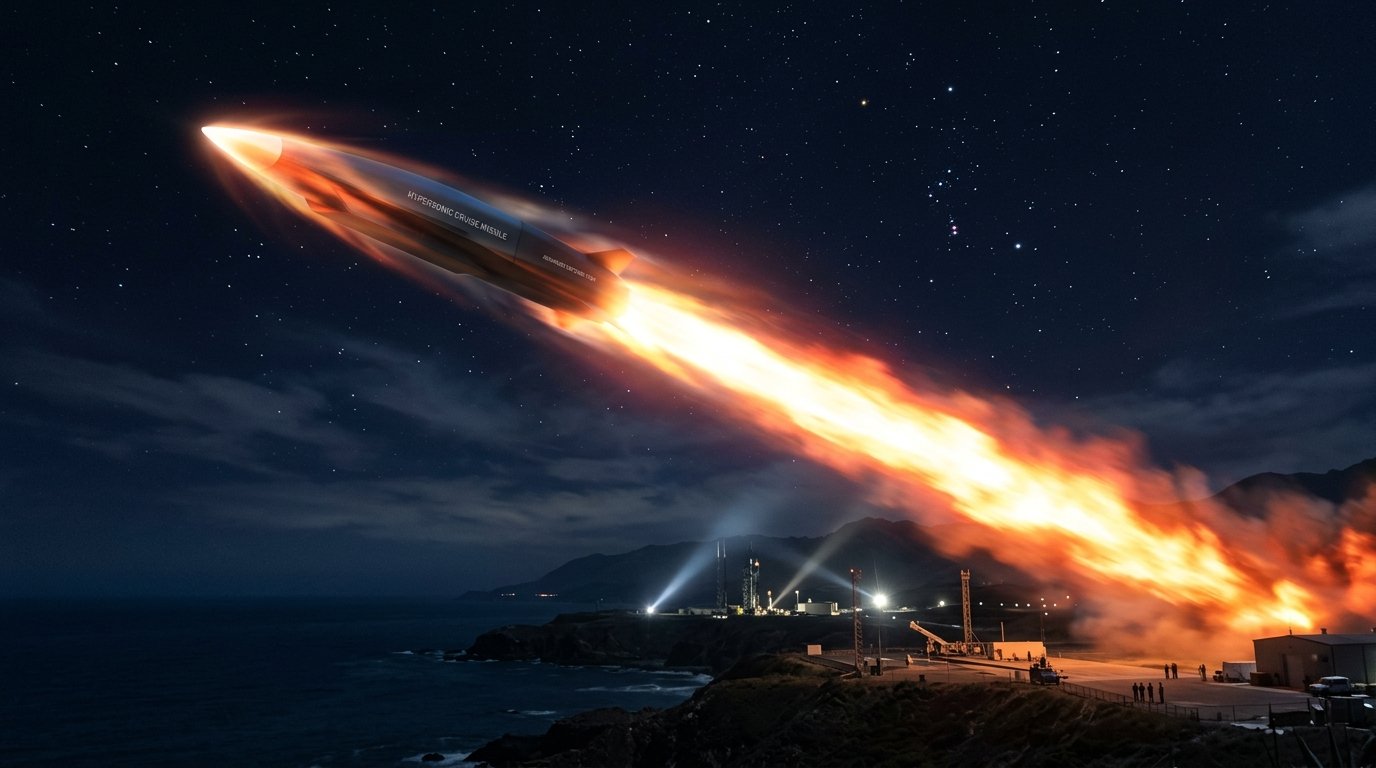
The U.S. State Department has approved a possible sale of 500 PAC-3 MSE interceptors to Ukraine for its Patriot air defense systems, a package worth an estimated $2.1 billion that will be paid for entirely by Ukraine's allies and partners. The department notified Congress of the decision on Oct. 30. Canada, Germany and Norway are contributing donations through JUMPSTART, a U.S. Foreign Military Sales mechanism for donor-funded Ukraine purchases, and Ukraine will cover the rest with national funds financed by the European Union's Ukraine Support Loan. No U.S. funds are involved. Besides the missiles, the package includes classified and unclassified PAC-3 MSE spare parts and logistics and program support. Lockheed Martin is the principal contractor. The notification is not a contract. It opens a congressional review period, after which Ukraine and the U.S. government can sign a letter of offer and acceptance and the U.S. Army can place the order with Lockheed Martin. The State Department gave no delivery schedule, and it did not say how the cost will be split among the three donors and the EU-financed share. Divided evenly, the total comes to about $4.2 million per missile, but that figure also covers spares and support. The State Department said the missiles will help Ukraine sustain its existing Patriot operations against ongoing aerial threats, and that Ukraine will have no difficulty absorbing them into its armed forces. The sale will not require any additional U.S. government or contractor personnel in Ukraine. The approval comes days after Ukrainian officials publicly pressed Washington on interceptor supplies. On Oct. 26, President Volodymyr Zelensky said Ukraine had waited nearly a month for U.S. Secretary of War Pete Hegseth to sign off on missiles for its Patriot and NASAMS systems, including transfers from allied stocks that require U.S. approval. A day later, he told journalists that Ukraine had received an average of 12 Patriot interceptors a month from the United States in 2026, while Russia launches about 150 ballistic missiles a month that Ukraine needs to intercept. PAC-3 MSE is the Patriot system's main weapon against ballistic missiles. Unlike the older PAC-2 interceptors, which detonate a blast-fragmentation warhead near the target, the PAC-3 family destroys targets by direct impact, a method known as hit-to-kill. The Missile Segment Enhancement version adds a larger two-pulse solid rocket motor, with the second pulse firing late in the flight to extend range and altitude against maneuvering threats. That makes it the interceptor Ukraine relies on against Russian Iskander ballistic missiles and Kh-47M2 Kinzhal air-launched missiles. Ukrainian officials have described PAC-3 as their only effective defense against Russian ballistic missiles. Ukraine received its first Patriot battery in April 2023, and in May of that year Ukrainian crews shot down a Kinzhal over Kyiv, the first publicly confirmed combat interception of the missile. Ukraine has since received further batteries from the United States, Germany, the Netherlands and Romania, and in July 2025 Germany and Norway agreed to pay for three more systems to be bought from the U.S. manufacturer. Interceptor supply has been a tighter constraint than launchers. In February 2026, German Defense Minister Boris Pistorius offered five PAC-3 rounds from German stocks if other allies together supplied 30 more, and in July, Ukraine's Defense Ministry said it was using about $1 billion from the EU loan to buy roughly 100 Patriot missiles. The financing reflects how Ukraine's air defense is now paid for. The U.S. Defense Security Cooperation Agency describes JUMPSTART as a channel that lets allies and partners finance Ukraine's Foreign Military Sales cases with their own donations. Norway reported routing about NOK 10 billion through the mechanism in 2025, much of it for F-16 support. In September 2026, Canada said it would put about C$350 million toward air defense interceptors for Ukraine through JUMPSTART. Separately, NATO allies buy U.S. weapons for Ukraine through the Prioritized Ukraine Requirements List, known as PURL. EU governments agreed in early 2026 on a €90 billion loan for 2026 and 2027, with €60 billion set aside for defense, and the first disbursements went out in June 2026. The loan gives priority to weapons built in Ukraine, the EU and the European Economic Area, but allows purchases elsewhere when no European alternative exists. Patriot interceptors are one case where none does. Production is the main limit on how fast the missiles can arrive. Lockheed Martin delivered 620 PAC-3 MSE interceptors in 2025, a company record. In January 2026, the company and the U.S. Department of War signed a seven-year framework agreement to raise annual output from about 600 to roughly 2,000. In April, the U.S. Army awarded Lockheed a $4.76 billion PAC-3 MSE contract, most of it funded through Foreign Military Sales customers. Demand has also climbed since the United States drew on its own Patriot inventory during this year's conflict with Iran. At 2025 production rates, the 500 missiles approved for Ukraine equal about 10 months of Lockheed's output. Where Ukraine's order falls in the production queue, and when the first missiles from this sale will reach Patriot batteries in Ukraine, has not been disclosed.
U.S. clears sale of 500 Patriot PAC-3 missiles to Ukraine
The U.S. State Department has approved a possible sale of 500 PAC-3 MSE interceptors to Ukraine for its Patriot air defense systems, a package worth an estimated $2.1 billion that will be paid for entirely by Ukraine's allies and partners. ...
Haber Kaynağı & Doğrulama
Defence Blog Aviation
Kaynak Tarihi: 30 October 2026 – 22:48
Yayın Tarihi: 30 October 2026 – 22:48
Savunma360 Editoryal Notu & Stratejik Değerlendirme
Bu analiz, açık kaynaklı askeri istihbarat (OSINT), Savunma Sanayii Başkanlığı resmi envanter verileri ve bağımsız savunma analistlerimizin teknik değerlendirmeleri sentezlenerek hazırlanmıştır. Gelişmeler Türk Silahlı Kuvvetleri ve bölgesel kuvvet dengesi açısından yakından izlenmektedir.
Doğrulanmış Savunma Verisi
Orijinal Kaynak Bağlantısını İncele