The Philippine Marine Corps is working to fully operationalize its BrahMos supersonic anti-ship missiles amid tensions with China in the South China Sea.
MANILA, PHILIPPINES – In Western Luzon, the Philippines Marine Corps Coastal Defense Regiment is gaining proficiency in operating their new BrahMos anti-ship missiles. It has been almost one year since the service officially revealed its first battery of the Indian-made supersonic missiles during its 2025 anniversary ceremony.
This Naval News report details how Manila’s Marine missileers have been training and deploying to get the country’s first anti-ship missiles ready amid an increasingly tense posture in the South China Sea and Luzon Strait with Beijing.
Western Luzon Site and BrahMos Fires Potential
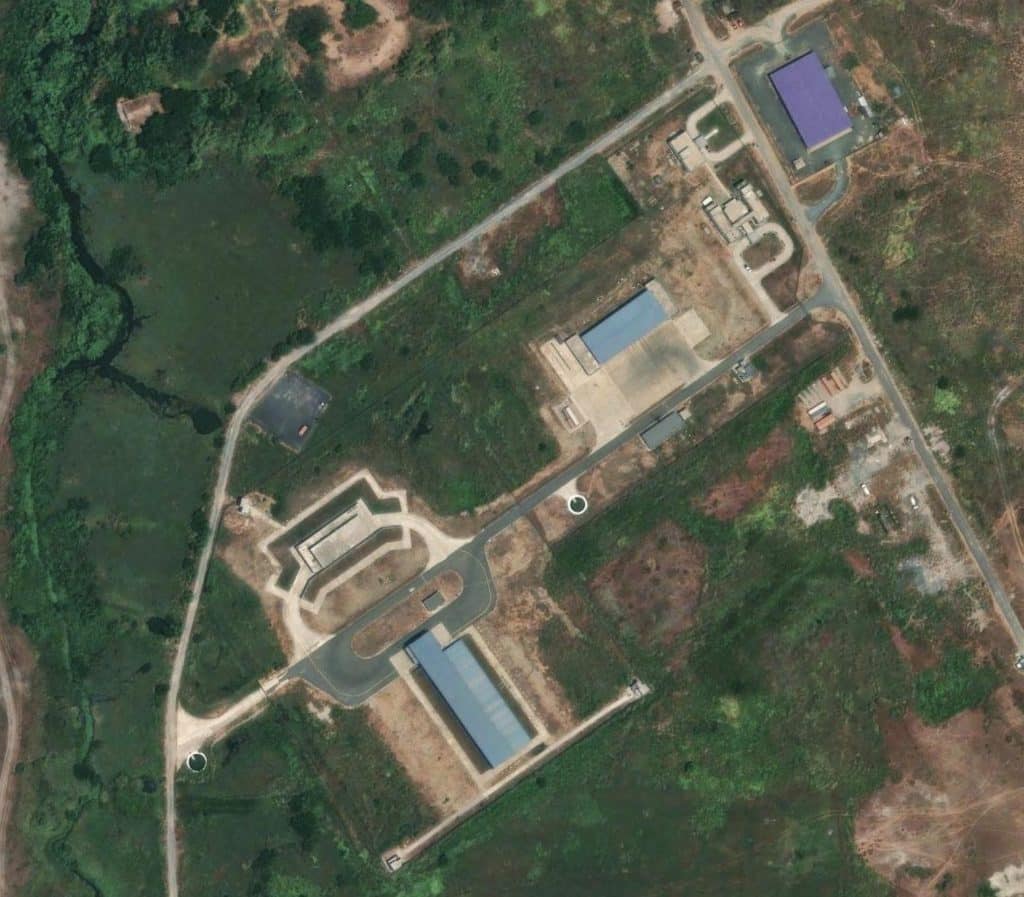
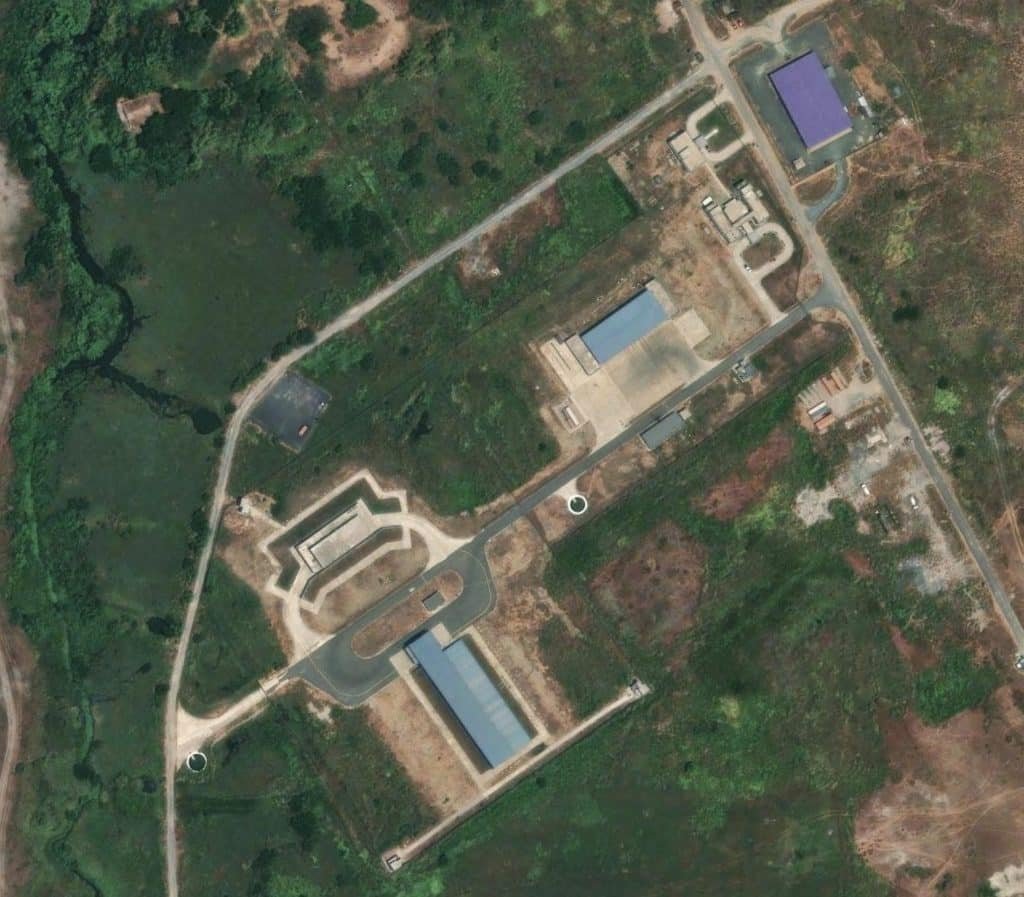
Since Naval News’s breaking report on the construction of the BrahMos base, the Philippine Navy completed the facility sometime between the Fall of 2024 and 2025. When compared alongside released footage from the Marine Corp, geolocation of the missile storage, vehicle garages and missile transfer buildings confirms the presence of BrahMos. At least one battery is in operation, which consists of two launchers, a mobile surface search radar, a reloading vehicle and a command and control station.
The Zambales BrahMos site has been increasingly active, according to track data from the popular exercise app Strava. According to a heat map of the area, two administration buildings connected with the site have the most foot traffic. The heat map also reveals that the CDR is enforcing a no electronics policy within the missile storage and transfer facilities. A lack of track data, which is collected via smart phones and watches, is noticeable around these structures.
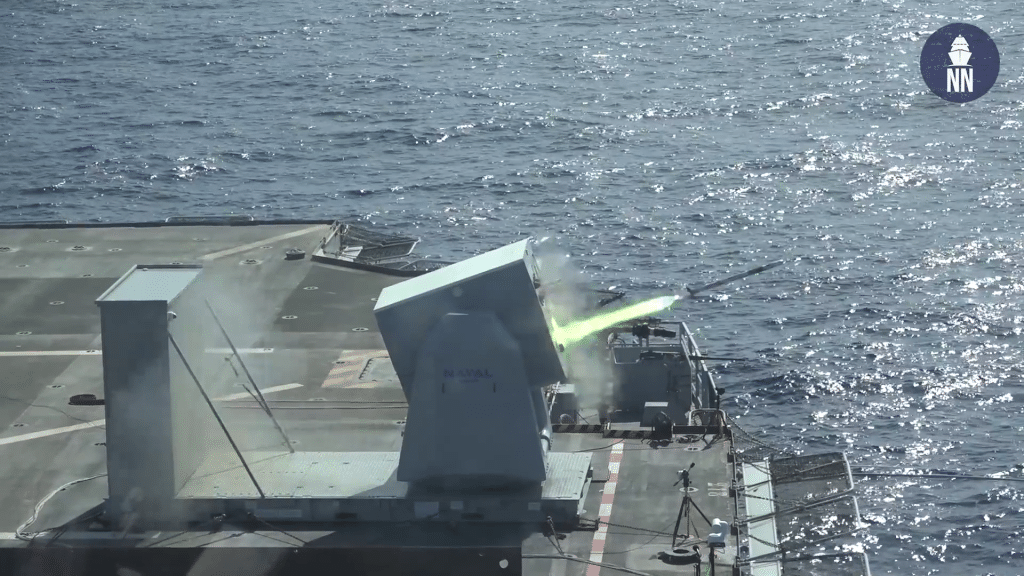
The Philippines’ initial foray into long-range precision strike systems is worth $375 million. This amount is further reflected in the quantity of missiles procured and the battery’s capacity to mass fires. Each BrahMos transporter erector launcher (TEL) carries two missiles, equating to a total of four fires per salvo from a single battery. A battery’s reloading vehicle carries an additional four missiles for a full reload. In all, a Philippine Marine Corps BrahMos battery can fire up to eight missiles between two salvos.
Manila’s 2022 order includes three batteries, translating to a combined salvo capacity of 12 missiles. Naval News understands that the use of BrahMos missiles in internal wargames yields favorable outcomes, at times being the only platform capable of getting through the air defenses of Chinese guided-missile destroyers.
Future Bases, Drills Against Notional Chinese Ships in Northern Luzon
The proximity of the Marine Corps first base adjacent to Scarborough Shoal, a Chinese-occupied South China Sea maritime feature off Luzon, highlighted the focus of the first deployment. However, recent drills and reports of new deployments indicate future areas that the CDR aims to operate from.
In March, the CDR activated the 273rd Marine Company at Camp Cape Bojeador. Located at the northwestern tip of Luzon, the base is the headquarters of the 4th Marine Brigade and the largest Armed Forces of the Philippines facility along the northern coast. Earlier developmental concepts for the base includes a dedicated section for the CDR. One graphic shows buildings similar to those at the Western Luzon site.
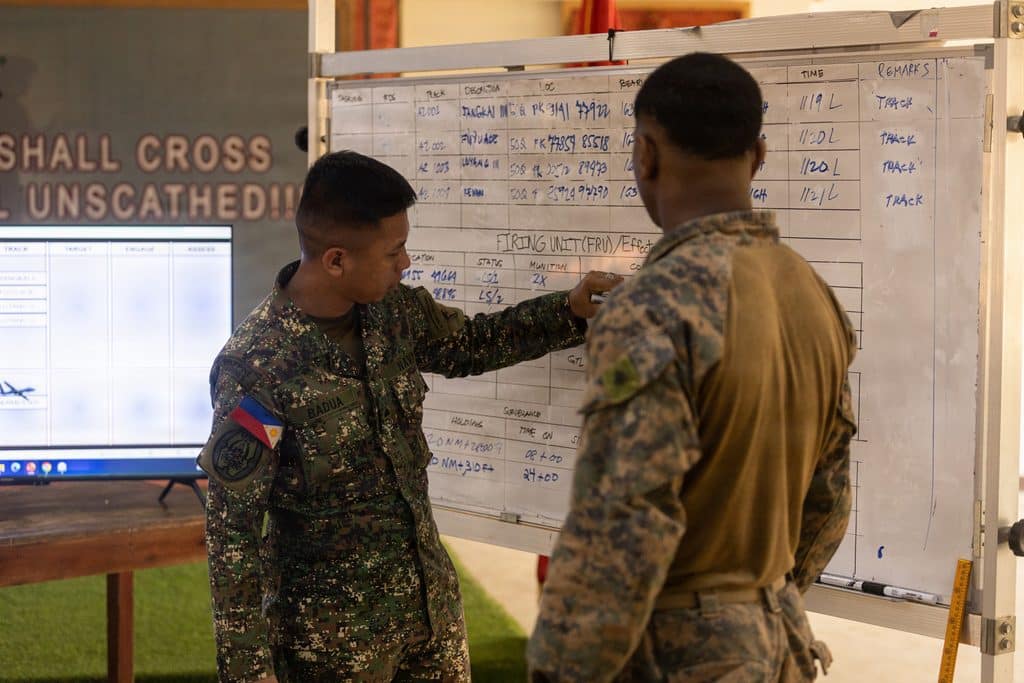
During a Northern Luzon drill with U.S. Marines in August, the CDR practiced the targeting of BrahMos against of notional vessels represented by existing Chinese warship classes. American and Philippine forces simulated finding and fixing maritime targets with drones before deciding how many BrahMos missiles to launch. The released media from the exercise marked the first time on record that U.S. Marines worked jointly with Philippine Marines to develop BrahMos targeting procedures.
The post Philippines: The Coastal Defense Regiment 2026 BrahMos Update appeared first on Naval News.